November 20, 2026
How Fotona 4D Laser Facial (TimeWalker) Compares to RF and Microneedling
By @garretthefk543
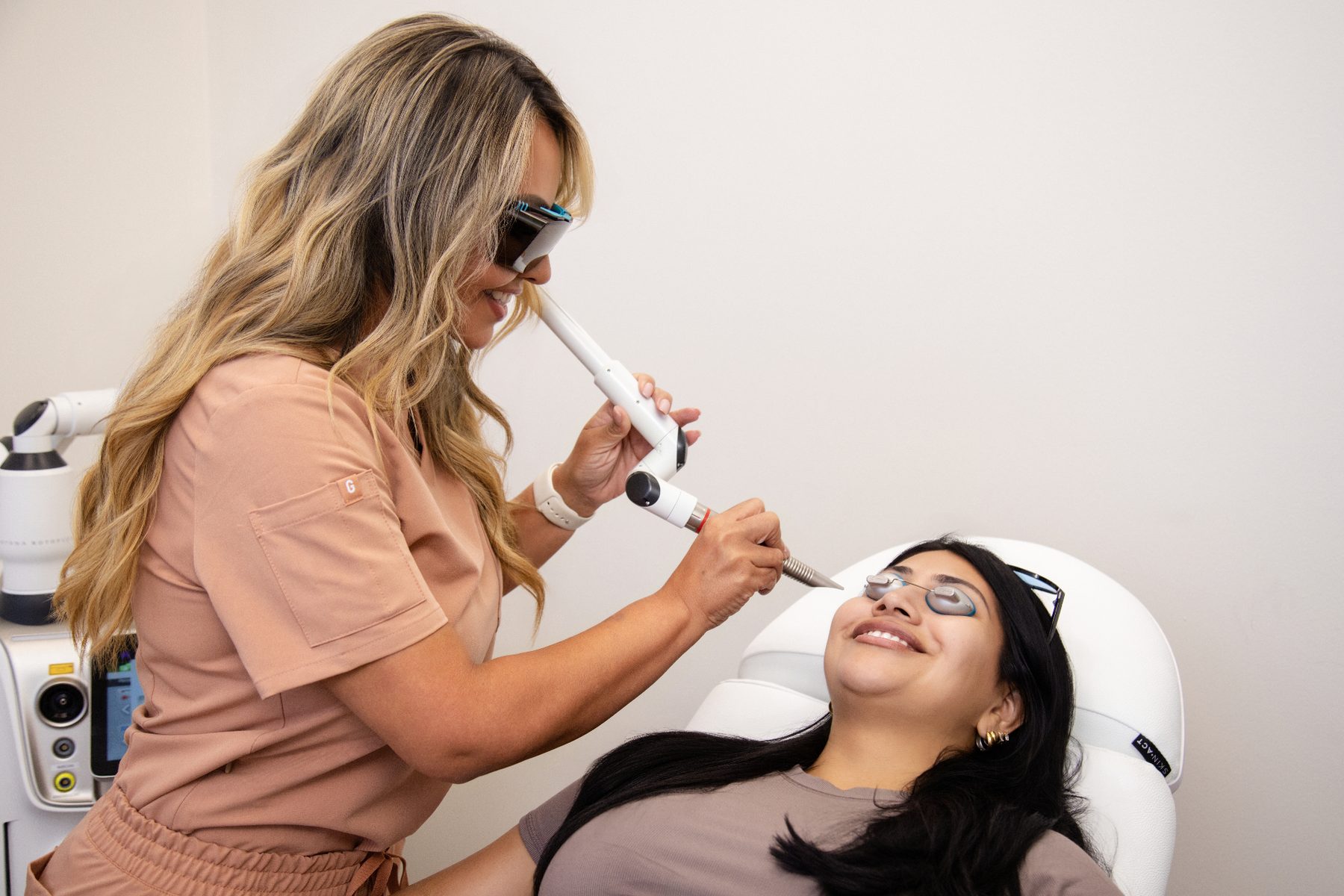
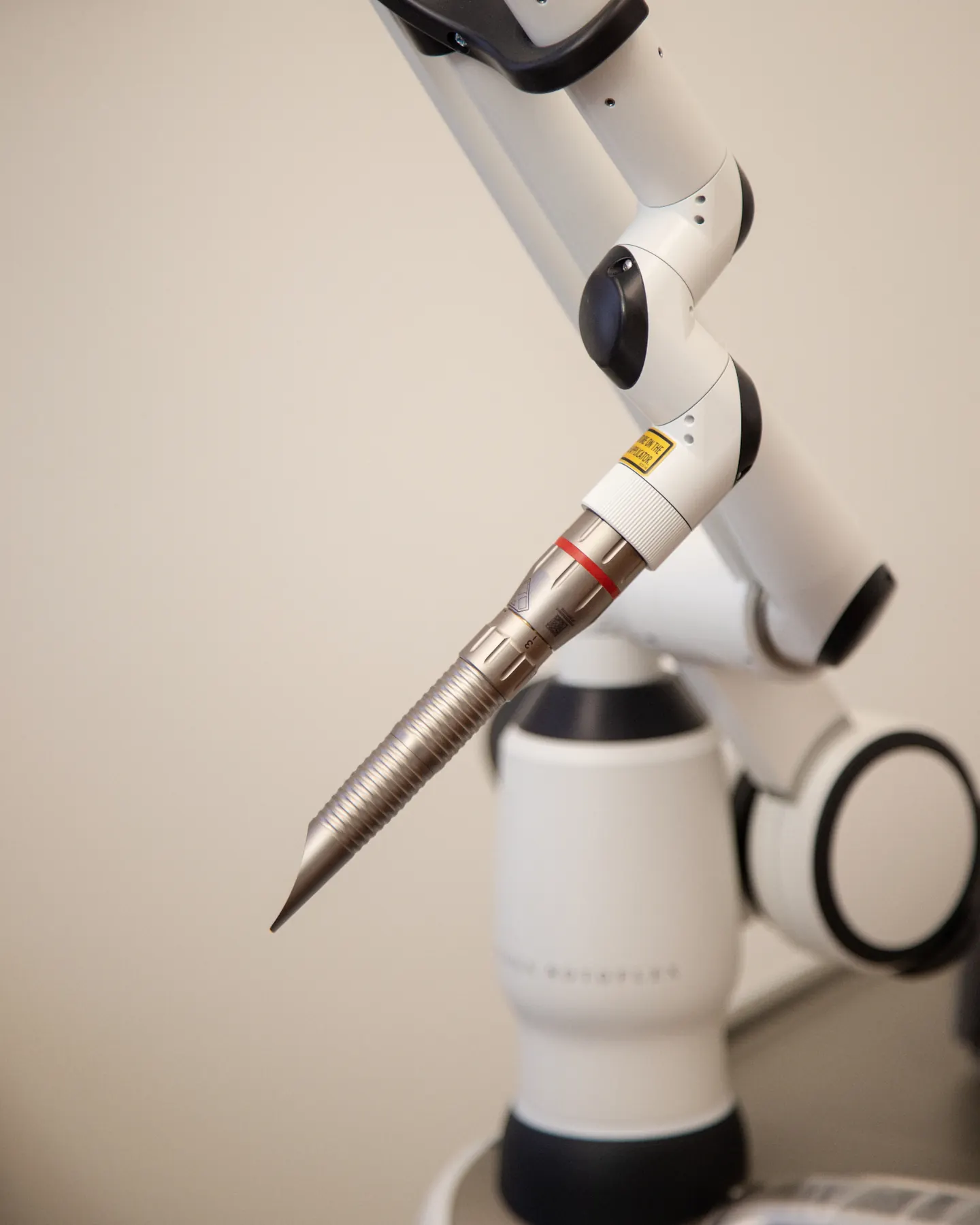
Ask three experienced aesthetic practitioners how they tighten skin without surgery, and you will usually hear the same families of treatments come up: laser, radiofrequency, and microneedling. The confusion starts when those categories overlap in the real world. A patient may hear that a Fotona 4D Laser Facial (TimeWalker) boosts collagen, then hear the same claim about RF, then hear it again about microneedling with or without energy. On paper, they can sound interchangeable. In treatment rooms, they are not.
The differences matter because the best outcome often comes from matching the tool to the tissue, not chasing the trendiest device. Someone with early jowl laxity and little pigmentation concern needs a different plan than someone whose main complaint is acne scarring, or someone who wants a bright, event-ready refresh with almost no downtime. The treatment names may sit close together on a menu, but what they actually do in the skin, how they feel, how long they take to show results, and who tends to love them most can be very different.
Fotona 4D occupies a distinct place in that conversation. It is not simply another resurfacing laser, and it is not a radiofrequency treatment wearing laser clothing. Its appeal comes from the fact that it layers several laser modes in a single protocol, including intraoral work inside the mouth, to target tone, texture, and mild to moderate laxity from more than one angle. That is where the comparison to RF and microneedling becomes genuinely useful.
What Fotona 4D Laser Facial (TimeWalker) is really doing
Fotona 4D is a multi-step laser treatment built around Er:YAG and Nd:YAG wavelengths, depending on the exact protocol and platform configuration. The TimeWalker branding is often associated with Fotona protocols that combine rejuvenation-focused steps in a more comprehensive way. The important practical point is this: Fotona 4D is not one single pass with one single endpoint. It is a structured treatment that combines tissue tightening, controlled heating, and surface refinement.
One reason patients find it hard to compare is that Fotona 4D works at different depths during the same session. One step may target the mucosal tissue inside the cheeks to support tightening from within. Another may heat deeper dermal layers externally. Another may address superficial texture and luminosity. In skilled hands, this layering can produce a result that looks more complete than what patients expect from the phrase “laser facial.”
That inside-the-mouth step is often what sets Fotona 4D apart in patient consultations. Very few non-surgical treatments can genuinely treat the oral mucosa as part of a facial rejuvenation protocol. Clinically, that matters for nasolabial area support and for patients whose lower face looks a little tired or collapsed, but who are not ready for surgery and do not necessarily want filler.
Practitioners who use it regularly tend to position it for patients with mild to moderate skin laxity, crepey texture, and loss of bounce rather than deep, etched scars or heavy sagging. It can help with pore appearance and glow, but its strongest identity is not “surface polish only.” It is better understood as a layered collagen-stimulation treatment with a resurfacing component.
RF works differently, even when the sales language sounds the same
Radiofrequency relies on electrical energy converted into heat within the tissue. Depending on the platform, that heating may be delivered through monopolar, bipolar, multipolar, or microneedle-assisted RF systems. The common thread is thermal stimulation, usually aimed at the dermis or subdermal tissue, with the goal of tightening and remodeling collagen over time.
This is where a lot of marketing copy muddies the waters. Both Fotona 4D and RF can be described as “collagen stimulating,” but the route they take is different. RF is fundamentally a heat-based tightening strategy. It does not depend on a laser wavelength interacting with tissue in the same way. Some RF devices are especially strong for deeper bulk heating and lower-face contour support. Others, especially RF microneedling systems, sit in a hybrid category because they combine mechanical injury from needles with thermal injury from radiofrequency.
In practice, RF often appeals to patients whose primary concern is laxity rather than pigment or superficial texture. A patient may come in saying, “My skin looks heavier than it used to, and makeup settles because the skin feels less firm.” If the skin surface is relatively smooth and the concern is mostly tightening, RF can be a very sensible choice. It may also be preferred in some skin types where one wants to be particularly thoughtful about post-inflammatory pigmentation risk from more aggressive surface work.
Still, RF is not always as good at delivering that polished, refreshed finish patients associate with a laser facial. It can tighten. It can improve contour subtly. But if someone wants brighter skin, finer pores, and a visible “I look rested” effect in addition to firmness, Fotona 4D often gives a more multidimensional result.
Microneedling has its own lane, and it is a strong one
Microneedling is mechanically straightforward: controlled micro-injury prompts a wound-healing response that can support collagen remodeling. Standard microneedling, when performed well and at appropriate depth, is particularly useful for acne scars, mild textural irregularities, enlarged pores, and overall skin quality improvement. It is often easier for patients to understand because the mechanism feels intuitive. Tiny needles create tiny channels, and the skin repairs itself.
Where microneedling shines is texture. I have seen many patients who were not ideal laser candidates, or who wanted a lower-cost series, do very well with a disciplined microneedling plan. Acne scar patients especially tend to respond best when expectations are precise. Rolling scars may soften nicely over a series. Boxcar scars may improve somewhat but often need combination treatment. Ice-pick scars are usually the most stubborn. Microneedling is not magic, but it is a remarkably useful workhorse.
Compared with Fotona 4D, classic microneedling is usually less of a tightening treatment and more of a texture-remodeling treatment. Compared with RF, it is usually less about thermal contraction and more about collagen induction through mechanical channels. Patients who mainly dislike roughness, shallow acne marks, or dullness often appreciate microneedling because the logic and recovery are relatively straightforward.
Once RF is added to microneedling, however, the comparison becomes more nuanced. RF microneedling can be more effective for simultaneous textural improvement and tightening than standard microneedling alone. Even then, it behaves differently from Fotona 4D, especially in terms of surface finish and the unique intraoral component Fotona can offer.
The shortest honest comparison
For patients trying to decide between these modalities, the key question is not “Which is best?” but “Best for what?”
| Concern | Fotona 4D Laser Facial (TimeWalker) | RF | Microneedling | |---|---|---|---| | Mild to moderate laxity | Strong option, especially for patients wanting tightening plus skin refresh | Often very strong, particularly for firmness-focused treatment | Limited with standard microneedling, better with RF microneedling | | Surface texture and glow | Good to very good, depending on protocol intensity | Variable, often secondary rather than primary benefit | Good, especially for roughness and pores | | Acne scarring | Can help mildly, not usually first choice for scar-dominant cases | RF microneedling can be useful | Often one of the better starting points | | Downtime tolerance | Usually moderate, often manageable | Ranges from low to moderate depending on device | Usually low to moderate | | Distinctive advantage | Multi-depth laser protocol, including intraoral tightening | Deeper heat-driven tightening | Practical, versatile collagen induction for texture |
That table is useful as a snapshot, but real treatment decisions rarely happen in snapshots. They happen in the gray areas.
Where Fotona 4D tends to outperform both
The strongest case for Fotona 4D is when a patient wants more than one visible improvement from the same treatment series. This is the patient whose skin is not badly damaged in one category, but is aging in several subtle ways at once. Think softer cheek support, early lower-face slackness, a little crepiness under makeup, and a loss of radiance that makes the face look less lively.
In those cases, Fotona 4D often feels more elegant than choosing a single-purpose treatment. The intraoral step can support deeper tissue tightening in a way standard microneedling cannot. The external laser steps can improve overall skin quality more gracefully than many tightening-only RF sessions. That is the clinical sweet spot.
There is also a certain patient who strongly prefers a treatment that avoids needles. Not everyone is needle-averse enough to say it out loud, but some people visibly relax when they learn a treatment can tighten and refresh without dozens or hundreds of punctures. For them, Fotona 4D Laser Facial (TimeWalker) Fotona 4D can be easier to accept than microneedling or RF microneedling.
Another advantage is treatment layering without having to jump between completely different technologies during a single session. When a platform is designed to deliver a staged rejuvenation protocol, it can create a coherent treatment arc. Experienced clinics often like that because endpoints are easier to read and the experience tends to feel intentional rather than pieced together.
Where RF can be the smarter choice
If the complaint is mostly firmness and contour, RF may win. A patient who says, “I am less bothered by pores than by the fact that my jawline is softening,” is often speaking the language of RF. Especially when the tissue is thicker or there is some early heaviness along the lower face, heat-focused tightening can make more sense than a more surface-visible treatment.
RF also fits patients who are not chasing “glass skin” and would rather invest in structural improvement. Some come in with realistic goals that are almost architectural. They want subtle tightening, not brightness. They do not care if nobody says they are glowing. They care if they look less tired in side profile. Those patients are often happier with RF than with a treatment that markets itself as a facial.
There are skin types and clinical contexts where practitioners may also lean toward RF because it allows them to focus less on ablative or semi-ablative surface work. That does not make it universally safer or better. It means modality choice should be individualized rather than ideological.
Where microneedling remains hard to beat
Microneedling keeps its place because it is adaptable, comparatively approachable, and often very effective for the right indication. If a patient is in their late twenties or thirties with post-acne textural change and very little laxity, recommending Fotona 4D as a first-line option may not be the most efficient plan. A structured microneedling series, with good home care and proper spacing, may deliver more value.
Cost matters too, even if clinics sometimes avoid discussing it candidly. Fotona 4D protocols are often positioned as premium treatments. RF can also be expensive, particularly on flagship platforms. Standard microneedling usually has a lower threshold of entry for patients who want improvement but are not ready for a high-ticket device series. That does not mean it is lesser. It means it occupies a more accessible and often practical tier.
I have also seen patients overestimate how much tightening they need when their real issue is textural shadowing. A face with mild acne scarring can read as “aged” simply because light does not reflect evenly. In those cases, improving texture with microneedling can make the whole face look fresher, even without any dramatic tightening at all.
Downtime, discomfort, and the part patients ask about after the consultation
Most patients eventually stop asking about collagen and start asking the questions that actually govern their decision: How red will I be? Can I work the next day? Will makeup sit oddly? How much does it hurt?
Fotona 4D downtime is often manageable, but it varies by how intensive the surface component is. Some patients look mildly flushed for a day or two. Others feel dry or textured for several days. If a more polished endpoint is being pursued, the recovery may be more noticeable. The upside is that many patients feel they get visible skin quality payoff for that temporary inconvenience.
RF ranges widely. Non-invasive RF with no needles may involve relatively little recovery, though heat and swelling can linger briefly. RF microneedling often produces redness, swelling, and a rough feel for a few days. In some patients, especially around the jawline or under the eyes, post-treatment puffiness can briefly make them feel worse before they look better. Good counseling matters here.
Microneedling is often sold as lunch-break simple, which is not always fair. A light treatment may indeed calm down quickly. A meaningful collagen-induction session can leave the skin red and sensitized for a couple of days, sometimes Fotona 4D Laser Facial (TimeWalker) longer. Makeup timing, exercise restrictions, and active skincare pauses should be explained clearly, not glossed over in a sales pitch.
The best candidates for each, in plain language
If I were explaining the differences to a patient without device jargon, I would put it this way.
Fotona 4D suits the person who wants a well-rounded rejuvenation treatment. They are starting to see laxity, dullness, and fine textural fatigue at the same time. They want visible improvement, but they are not yet in facelift territory and may not want injectables as their main strategy.
RF suits the person whose top priority is firmness. They are less interested in resurfacing and more interested in support. They may be looking at the lower face, jawline, or generalized skin looseness and want a non-surgical tightening-oriented plan.
Microneedling suits the person whose skin quality issue is mostly surface-related or scar-related. Their skin may be young but uneven, or mature but not significantly lax. They are often willing to do a series and understand that gradual remodeling is the point.
Questions worth asking before you commit
The treatment name matters less than the protocol, the operator, and the match between concern and technology. Before booking, patients should get clear answers to a few practical questions:
- What specific concern are we treating first: laxity, texture, pigment, scars, or overall refresh?
- Is this standard microneedling, RF microneedling, non-invasive RF, or a multi-step Fotona 4D protocol?
- How many sessions are realistic before we judge results?
- What does my downtime usually look like with your settings, not the brochure settings?
- What would you choose if this were your own face and budget?
Those questions cut through most of the marketing haze. They force the conversation back to anatomy, goals, and experience.
Why provider judgment often matters more than the machine
It is tempting to treat devices like they are interchangeable appliances. They are not. A thoughtful practitioner can make an average device perform well and a careless operator can make an excellent platform underwhelm.
With Fotona 4D, judgment shows up in sequencing, energy selection, and deciding whether a patient needs true 4D-style layering or would be better served by another modality altogether. With RF, judgment matters in pulse settings, depth, overlap, and deciding how aggressive to be in heavier or thinner tissue. With microneedling, it matters in depth selection, endpoint recognition, and resisting the common mistake of treating every face like scar tissue.
This is also where combination therapy enters the conversation. Some of the best outcomes I have seen did not come from defending one modality against another. They came from using them at the right time. A patient might do RF for firmness, then later use a lighter laser-based treatment for radiance, or use microneedling in a scar-focused zone while relying on another modality for laxity. The fact that treatments can be compared does not mean they must compete.
The practical bottom line
Fotona 4D Laser Facial (TimeWalker) stands out because it treats rejuvenation as a layered process rather than a single event. It is often the better choice when patients want tightening, refinement, and a fresher overall look in one coordinated protocol. RF remains a serious contender, and sometimes the better one, when the core issue is firmness and lower-face support. Microneedling continues to earn its place because for texture, pores, and certain scar patterns, it is efficient, versatile, and often more sensible than a premium laser plan.
The right answer depends on what is aging first on your face. If the structure is softening, think more seriously about RF or Fotona. If the surface is uneven, microneedling may be the sharper tool. If several subtle changes are arriving together and you want one treatment family that can address them in a more holistic way, Fotona 4D often makes the strongest argument for itself.
OMNIA Wellness Center
Address: 16430 Ventura Blvd Ste 207, Encino, CA 91436
Phone: (818) 386-8511
FAQ About Fotona 4D Laser Facial (TimeWalker)
What are the benefits of Fotona laser treatment?
OMNIA offers this treatment for concerns such as uneven texture, dull tone, and fine lines. Results and the number of sessions vary, so discuss your goals with a provider.
Is Fotona laser safe?
A qualified provider should review your skin, medical history, medications, and recent sun exposure to determine whether the treatment is appropriate. Ask about possible irritation, pigment changes, and aftercare before booking.
How much does a Fotona 4D facelift cost?
Price depends on the treatment plan and number of visits. Ask OMNIA for an itemized estimate during your consultation.
❧