September 24, 2026
The Benefits of Choosing Fotona Laser Treatments in Encino, CA
By @garretthefk543
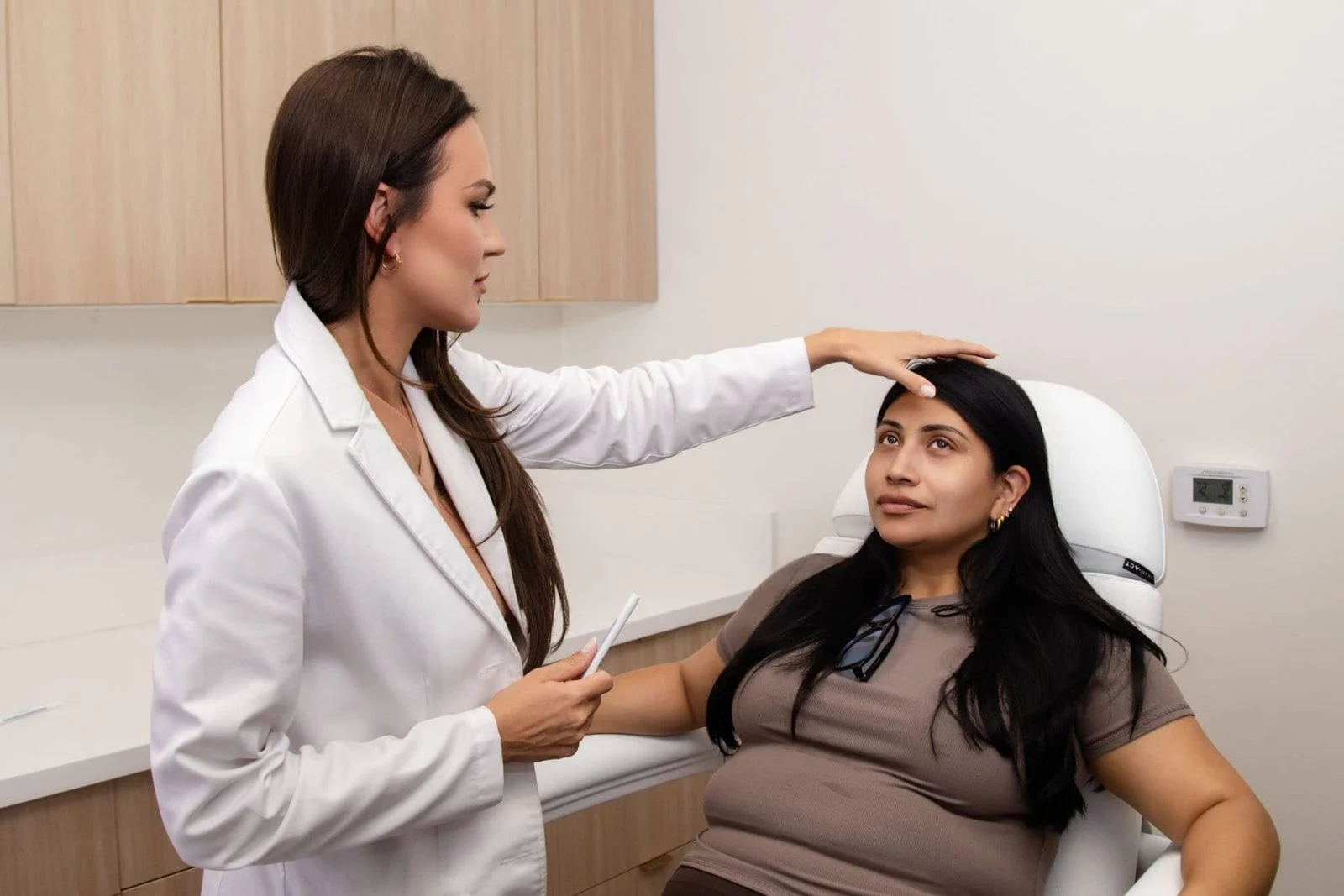

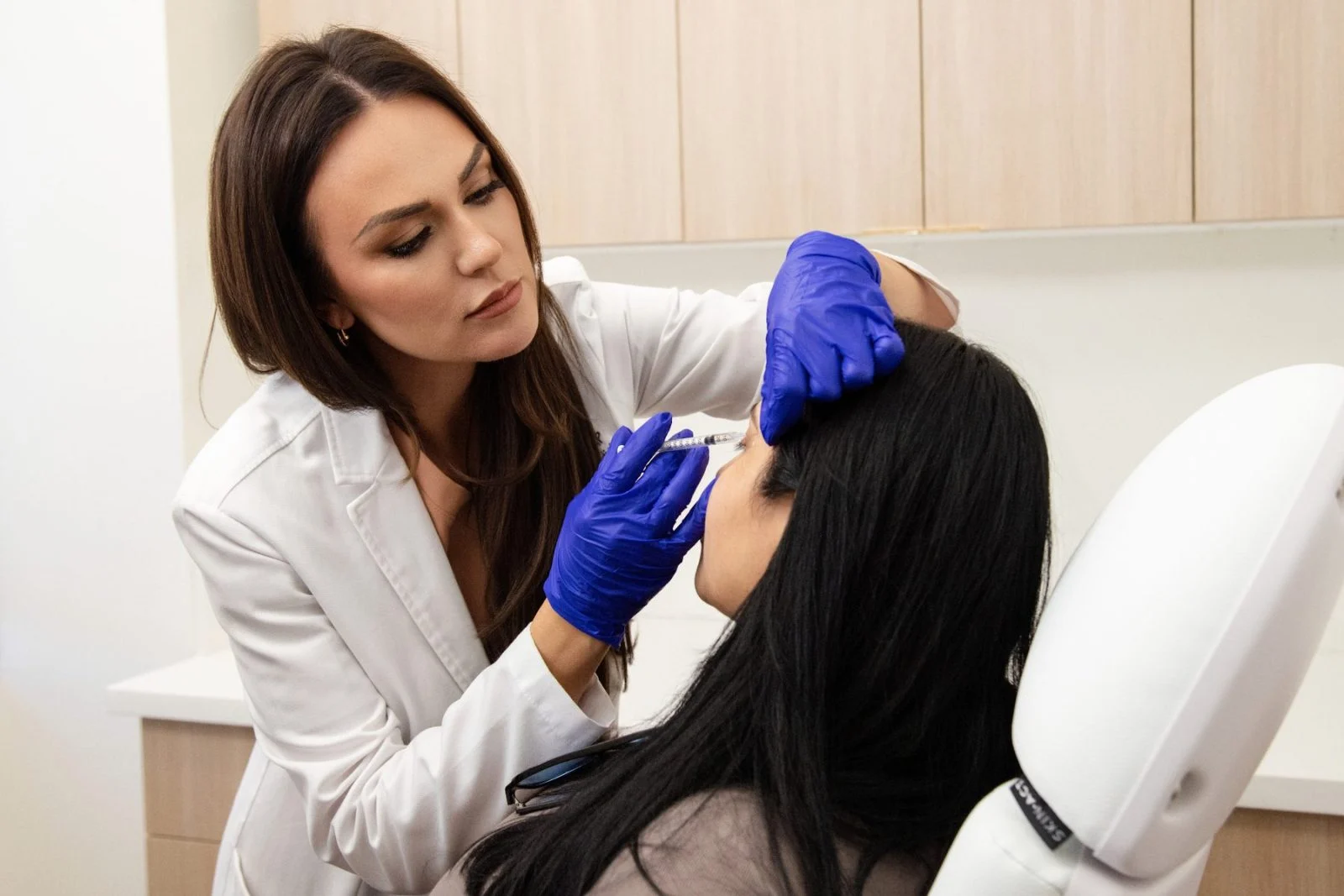
Patients looking into laser aesthetics usually start with a simple question: what makes one laser worth choosing over another? That question matters more than most marketing pages admit. “Laser treatment” sounds like a single category, but in practice it covers a wide range of devices, wavelengths, treatment depths, recovery profiles, and results. A person trying to improve acne scars, diffuse redness, skin laxity, or intimate wellness concerns may be comparing options that behave very differently once they reach the skin.
That is where Fotona has earned a strong reputation. In offices that use it well, the platform gives providers unusual flexibility. It can be tuned for resurfacing, tightening, vascular concerns, scar revision, and several noninvasive functional treatments without forcing every patient into the same template. For people considering Fotona Laser Treatments Encino, CA, that versatility is often the first real advantage, especially in a community where patients tend to value visible improvement that still looks natural and fits a busy schedule.
Why Fotona stands out in a crowded laser market
A lot of aesthetic technology gets advertised in broad, flattering language. The real distinction usually comes down to how a device delivers energy and how precisely the practitioner can control that energy. Fotona systems are well known for combining complementary laser wavelengths, commonly Er:YAG and Nd:YAG, depending on the platform and indication. That pairing matters because it gives the provider different ways to target tissue.
Er:YAG is often chosen when precision at the skin’s surface is important. It can remove damaged tissue with relatively controlled thermal effect, which is useful for resurfacing, textural refinement, and certain scar concerns. Nd:YAG reaches deeper and can be valuable for tightening, vascular issues, and collagen stimulation below the surface. When a practice has access to both approaches through one platform, treatment planning becomes more nuanced. Instead of asking whether a patient should have “a laser,” the better question becomes which mode, what depth, what intensity, and in what sequence.
That may sound technical, but patients feel the difference in practical ways. A person with early fine lines and rough texture may benefit from a more superficial treatment plan. Someone dealing with laxity along the lower face or neck may need a deeper thermal approach. Another patient may want improvement without a week of visible peeling. A flexible platform helps providers tailor care rather than forcing everyone toward the only tool available in the room.
A good fit for the Encino patient profile
Encino has a patient population that often arrives informed, busy, and selective. Many want meaningful cosmetic improvement, but not an overdone result. They want treatments that let them look fresher, smoother, firmer, or more even toned without broadcasting that they “had work done.” Lasers that can be adjusted across a spectrum from lighter downtime to more aggressive resurfacing tend to fit that mindset well.
Local climate also plays a role in how people think about skin. Southern California sun exposure is a long game. Even careful sunscreen users accumulate photodamage over time, especially on the face, neck, chest, and hands. Brown spots, textural roughness, etched lines, redness, and loss of elasticity often show up together. That combination is one reason many patients in the Encino area ask for treatments that can address more than one issue at once, or at least Fotona Laser Treatments Encino, CA fit into a broader plan. Fotona is often attractive in that setting because it can be used as part of a layered strategy rather than as a one note intervention.
There is another local reality that matters. People here frequently have professional and social schedules that make prolonged recovery difficult. If a treatment leaves someone red, swollen, or flaky for ten days, they want to know that before they book it. One of the strongest practical benefits of Fotona is that the treatment can often be scaled. A patient can choose a lighter series with less downtime or a stronger approach with more dramatic textural change, depending on goals and tolerance for recovery.
Versatility across different concerns
One of the reasons practitioners keep Fotona in regular rotation is simple: it is not confined to one cosmetic niche. A single platform may be used for rejuvenation, scar work, tightening, vascular concerns, and specialty treatments. That breadth is meaningful for patients because skin issues rarely show up one at a time.
A patient in her forties, for example, may come in asking about under eye crepiness. During consultation, it becomes clear that she also has diffuse cheek redness, mild acne scarring from her twenties, and early laxity around the jawline. A less adaptable device might address one or two of those concerns well and ignore the rest. With Fotona, a provider can often build a staged treatment plan that works with several of them.
The same is true for men, a group that is often underserved by cosmetic messaging. Male patients frequently want skin tightening, improved pore appearance, and softening of acne scarring, but they usually want low maintenance treatment and minimal visible aftermath. The ability to customize intensity can make laser care more acceptable to patients who are interested in results but wary of prolonged downtime.
Precision matters, especially on delicate areas
Not every laser performs equally well on thin, sensitive, or highly visible areas. The eyelids, perioral region, neck, and lower face often require judgment rather than brute force. Over-treating can lead to prolonged redness or post-inflammatory changes. Under-treating wastes time and money.
Experienced providers often appreciate Fotona because it allows for controlled treatment in these zones. That does not mean every area is risk free, and it does not replace careful patient selection. It does mean the platform supports a level of refinement that can be valuable where skin quality changes are subtle but important. Around the eyes, for instance, many patients are not seeking a dramatic alteration. They want the skin to look less crepey, makeup to sit better, and the overall eye area to appear more rested. Those are modest sounding goals, but they require precision.
In practice, the best outcomes tend to come from providers who resist the urge to overpromise. Laser treatments can improve texture, tone, and laxity. They do not reproduce the effect of a surgical lift in patients with significant skin excess. Patients who understand that distinction are usually happier, because they can appreciate the real strengths of the treatment rather than holding it to the wrong standard.
Natural looking rejuvenation is a major advantage
Patients have become more sophisticated about aesthetics. They are not just looking for change, they are looking for believable change. The appeal of many Fotona protocols is that they work through collagen remodeling, controlled resurfacing, and tissue heating rather than adding visible volume. That makes the result feel less “done” and more like a healthier version of the same face.
This distinction comes up often in consultation. Someone may say, “I don’t want filler, but I look tired,” or “my skin doesn’t bounce back the way it used to.” In those cases, texture and tissue quality may be the real issues. When skin reflects light more evenly and has better firmness, the face often reads as more rested even before any volume treatment is considered. Laser therapy can be especially helpful for that kind of patient because it addresses the canvas itself.
Natural looking improvement also tends to age well. There is a difference between temporarily masking surface irregularities and gradually improving skin behavior over time. Patients who commit to a smart treatment series, good skincare, and sun protection often get more durable value from that approach.
Downtime can be tailored to the patient, not the other way around
One of the biggest barriers to laser treatment is recovery. People are willing to invest in procedures, but they still need to go to work, attend events, and move through ordinary life. A treatment that can be adjusted for lighter or more intensive sessions has a real advantage in the office.
For some patients, a gentler protocol with little interruption is the best fit. They may need several sessions, but each one is easier to schedule. For others, one or two stronger treatments make more sense because they are willing to take a few recovery days in exchange for more obvious improvement. Neither approach is inherently better. The point is that a flexible platform gives room for judgment.
This is especially useful for first time laser patients. Someone who has never had resurfacing often fears the unknown more than the treatment itself. Starting with a conservative session can build confidence, help the provider evaluate healing response, and make the next step more accurate. That kind of pacing is often smarter than launching into the strongest possible treatment simply because a machine can deliver it.
The appeal of combination treatment planning
Aesthetic medicine works best when treatments are chosen for how they complement one another. Lasers, injectables, skincare, peels, and energy based devices all have a place, but they do different jobs. Fotona often works well as part of a broader plan because it addresses tissue quality, texture, and collagen support in a way that many other treatments do not.
A common example is the patient who has volume loss and poor skin quality. If filler is used alone, the face may look somewhat restored but not especially refreshed. If laser treatment improves the surface, tightens mildly, and softens sun damage first or alongside volume correction, the final result is usually more balanced. The same logic applies to acne scar patients. Subcision, microneedling, laser resurfacing, and topical management may all play a role. The laser is not the whole answer, but it may be a crucial part of the answer.
That nuance matters because disappointed patients are often those who were sold a single treatment as a cure-all. Good providers do not use Fotona as a magic word. They use it as one tool in a plan that respects the biology of the problem.
Candidacy still matters
Even strong technology has limits. Skin type, recent sun exposure, active acne, rosacea severity, melasma history, medications, wound healing tendencies, and lifestyle all affect whether someone is a good candidate and how aggressively they should be treated. The best consultations are usually the ones that include a few gentle brakes.
For example, a patient who just returned from a high sun vacation may need to delay treatment. Someone using a retinoid or certain sensitizing products may need a short pause before the appointment. A person prone to post-inflammatory hyperpigmentation may still be treated, but with modified settings and very careful pre and post care. None of that is a drawback specific to Fotona. It is simply what responsible laser medicine looks like.
When evaluating Fotona Laser Treatments Encino, CA, patients should expect their provider to ask detailed questions rather than rushing to book. A thoughtful consultation is often a better sign than an enthusiastic sales pitch. It shows that the office understands laser outcomes are shaped as much by planning and aftercare as by the machine itself.
What an experienced provider evaluates before treatment
A skilled laser consultation usually covers more than the concern written on the intake form. The provider is looking at skin thickness, pigment distribution, background redness, degree of laxity, scar type, and whether the patient’s goals are realistic.
The most useful conversation points often include:
- what bothers the patient most, not what the provider notices first
- how much downtime is acceptable
- whether the goal is maintenance or visible correction
- history of prior lasers, peels, filler, or surgery
- work, travel, and sun exposure plans over the next several weeks
Those details directly affect treatment design. They also help avoid one of the most common sources of disappointment, which is a mismatch between the patient’s real priorities and the treatment the office prefers to sell.
Recovery is usually manageable, but aftercare is not optional
Laser results are heavily influenced by what happens after the appointment. Patients sometimes focus so much on the procedure that they underestimate recovery behavior. Even relatively light treatments can produce avoidable irritation if post care is sloppy.
Most providers will advise gentle cleansing, barrier support, diligent sun protection, and avoidance of excess heat, harsh actives, or friction during the healing window. That sounds simple, but compliance varies. People resume exfoliants too soon, spend time outdoors because “it was only a little laser,” or test new Fotona Laser Treatments Encino, CA products on sensitized skin. These are small decisions that can prolong redness or interfere with results.
Patients with stronger resurfacing sessions should expect a temporary social recovery period. Depending on treatment depth, the skin may feel warm, look pink to red, or develop a sandpapery or bronzed appearance before it clears. Good offices explain this carefully because underestimating downtime is one of the easiest ways to turn a worthwhile treatment into a stressful experience.
Why provider experience changes the outcome
Technology matters. Operator judgment matters more. The same device can produce elegant, measured improvement in one setting and underwhelming or overly aggressive results in another. That is why choosing the office is at least as important as choosing the platform.
With Fotona, provider experience shows up in several ways. It shows up in knowing when not to treat aggressively. It shows up in recognizing whether a patient’s main issue is pigment, vascularity, laxity, or texture, rather than lumping everything under “rejuvenation.” It shows up in selecting settings that match skin type and treatment history. And it shows up in managing expectations honestly.
One of the better signs in consultation is when the provider explains trade-offs. If a more aggressive session may deliver more textural change but requires extra downtime, that should be stated plainly. If the patient’s concern would be better treated by another modality, that should be stated too. Candor often predicts better results because it reflects a practice culture centered on fit rather than volume.
Cost should be evaluated by value, not sticker price alone
Laser shopping can tempt patients to compare only package prices, but that usually gives an incomplete picture. The better question is what the fee includes and what kind of plan is being proposed. A bargain treatment performed with generic settings, little follow-up, and no real customization may cost less upfront and more in frustration later.
Value in this area comes from several factors: the quality of the consultation, the provider’s expertise, the suitability of the device for the concern being treated, the number of sessions likely needed, and the level of support during recovery. A lighter treatment series may be completely appropriate, but patients should understand whether they are signing up for maintenance level improvement or more substantial correction.
There is also the issue of chasing the cheapest option across multiple devices and offices. In my experience, patients often do better when one thoughtful provider oversees the sequence. Skin responds more predictably when treatment choices build on one another rather than changing course every month based on a new promotion.
Common concerns patients bring to Fotona consultations
Certain themes come up repeatedly in practices that offer this technology. The specifics vary, but the motivations are familiar.
A woman in her thirties may want to soften old acne scars now that active breakouts are mostly controlled. A man in his fifties may be bothered by rough texture and neck laxity but want to avoid surgery for now. A new mother may feel her skin looks tired and uneven, even though the individual issues seem small. A patient approaching a wedding or major event may want brightness and refinement without a dramatic recovery period. These are not exotic cases. They are ordinary examples of why a versatile platform remains useful.
That said, timing matters. Event driven patients should be especially cautious about scheduling. If a wedding, shoot, reunion, or speaking engagement is close, conservative treatment or postponement may be wiser than a high intensity session with uncertain visible healing. Sensible providers are usually conservative when there is a firm deadline.
Questions worth asking before booking
Choosing a laser treatment gets easier when the conversation moves beyond brand names and into specifics. A few practical questions can reveal a lot about how a practice works.
- Which concern are you targeting first, and why?
- How much improvement is realistic after one session versus a series?
- What will recovery actually look like on day one, day three, and day seven?
- How do you modify treatment for my skin type and sun exposure history?
- If Fotona is not the best option for me, what would you recommend instead?
Answers should be clear, measured, and tailored. If every patient receives the same script, that is usually a sign that the office is selling a protocol, not practicing individualized care.
The long term advantage: skin quality compounds over time
The most underrated benefit of well chosen laser treatment is that it improves the baseline condition of the skin. Better texture, more even tone, and stronger collagen support influence how the skin behaves month after month. Makeup sits better. Pores look less obvious. Fine lines catch less light. The face often appears healthier even before anyone can name why.
That is one reason Fotona Laser Treatments Encino, CA continue to attract interest among patients who are thinking beyond a single appointment. They are not only chasing a quick refresh. Many are trying to build a maintenance strategy that keeps their skin in better condition as the years pass. When that strategy is paired with disciplined sun protection and realistic scheduling, the benefits become cumulative.
For the right patient, that is the real appeal. Not hype, not a miracle, and not a substitute for every other treatment. Just a versatile, well regarded laser platform that gives experienced providers room to treat thoughtfully. In aesthetics, that combination often matters more than the flashiest promise on the market.
OMNIA Wellness Center
Address: 16430 Ventura Blvd Ste 207, Encino, CA 91436
Phone number: +18183868511
FAQ About Fotona Laser Treatments Encino, CA
What is a Fotona laser good for?
A Fotona Laser system is a versatile, dual-wavelength medical laser used primarily for non-surgical skin tightening, anti-aging rejuvenation, and dermatological treatments.
How much does the Fotona laser cost?
The cost of a Fotona laser depends heavily on whether you are looking to purchase a laser machine for a medical practice or are a patient seeking a laser treatment at a medspa.
Is a Fotona laser worth it?
A Fotona laser treatment is generally worth it if you want non-surgical skin tightening, improved texture, and collagen stimulation with very little downtime.
❧